
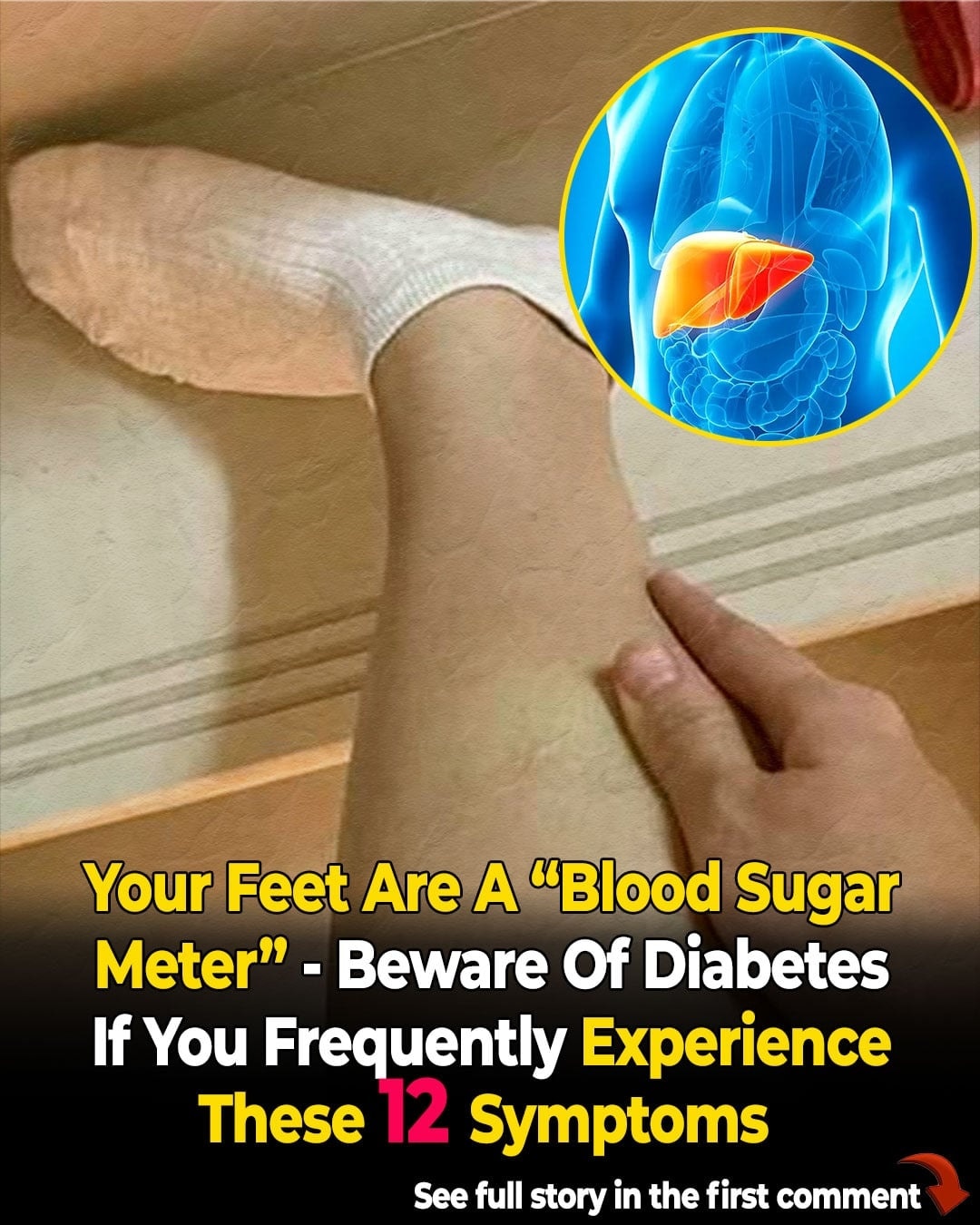
Diabetes Warning Signs Often Appear First in Your Feet
If you experience persistent foot symptoms such as numbness, unusual sensations, or slow healing wounds, these could be early indicators of high blood sugar and diabetic nerve damage. Recognizing these signs promptly is crucial because diabetes-related complications can develop silently and lead to serious outcomes like infections or ulcers requiring costly treatments.
Why Your Feet Are Key to Early Detection
Feet receive less blood flow than other parts of the body since they are farthest from the heart. High blood sugar levels damage small blood vessels and nerves, leading to decreased circulation and nerve sensitivity in the feet. This makes your feet a natural “blood sugar meter” that can reveal issues before other symptoms appear.
Decide When to Act: Two or More Symptoms Are a Red Flag
If you notice two or more persistent foot symptoms such as tingling, numbness, burning sensations, or wounds that won’t heal, it’s important to check your blood sugar. Early diagnosis of diabetes or prediabetes can significantly reduce risks of complications through lifestyle changes and medical management.
Check Your Medicine Cabinet
Some medications, especially those for high blood pressure or cholesterol, can influence circulation or nerve function. Review your prescriptions with your healthcare provider to understand any potential effects on your feet and blood sugar control.
Routine foot care and regular monitoring are essential, particularly for individuals with risk factors such as obesity, family history of diabetes, or previous high blood sugar readings. Addressing these symptoms early can prevent costly complications like infections that require hospitalization or surgery.
Here are the 12 symptoms that can reveal high blood sugar early. Number 6 is the one most people don’t expect — and it has nothing to do with pain.
Continue Reading on the Next Page
Tingling or Pins and Needles
Tingling sensations or the feeling of pins and needles in the feet often signal nerve irritation or damage, medically known as diabetic neuropathy. Elevated blood sugar over time can injure the small nerves in your feet, leading to this abnormal sensation. It may feel like a gentle buzzing, prickling, or a mild electric shock, especially noticeable when at rest or lying down.
This symptom may start intermittently but can become persistent if blood sugar remains uncontrolled. Early recognition is essential because nerve damage can progress to loss of sensation or pain.
Commonly felt in toes, soles, or the entire foot
May worsen during the night
Can precede more severe complications like foot ulcers
If you experience tingling frequently, it is advisable to have your blood sugar levels evaluated and discuss nerve function testing with your healthcare provider.
Numbness
Numbness in the feet or toes means a loss of normal sensation, often caused by advanced nerve damage from prolonged high blood sugar. Unlike tingling, numbness feels like a dull or absent sense of touch, making it difficult to feel pain, temperature changes, or pressure.
This raises the risk of unnoticed injuries or infections since you might not sense cuts, blisters, or ulcers developing. Diabetic peripheral neuropathy is the usual culprit, and it tends to affect both feet symmetrically.
May begin in the toes and spread upward
Can make walking unstable due to loss of balance cues
Increases risk of serious foot infections and ulcers
Persistent numbness warrants prompt evaluation by a healthcare professional to assess nerve health and to initiate interventions that may slow progression.
Continue Reading on the Next Page
Burning Sensation
A burning feeling in the feet, especially at night, is a hallmark of diabetic neuropathy. This symptom reflects nerve stress and inflammation triggered by high blood sugar levels damaging the nerve fibers. The sensation can range from mild warmth to intense heat and may be accompanied by pain or tenderness.
Burning neuropathy often disrupts sleep and reduces quality of life. It may also coincide with other symptoms such as tingling or numbness.
Commonly worse during periods of rest
May involve both feet symmetrically
Sometimes accompanied by sensitivity to touch (allodynia)
Managing blood sugar levels is critical to alleviate this symptom. Your healthcare provider may also recommend medications like certain anticonvulsants or antidepressants that help reduce nerve pain.
Cold Feet
Cold feet can indicate poor circulation caused by damage to blood vessels from chronic high blood sugar. Diabetes can lead to peripheral arterial disease (PAD), which narrows blood vessels and reduces blood flow to the lower extremities.
Even when the rest of your body feels warm, your feet may feel unusually cold or numb. This impaired circulation not only causes discomfort but can also slow healing and increase the risk of infections.
Feet may appear pale or bluish
Skin may feel cool to the touch
May be accompanied by leg cramps or pain during walking (claudication)
If you notice persistent coldness in your feet along with other symptoms such as color changes or pain, it is important to have a vascular evaluation.
When to See a Doctor
If you experience two or more of these symptoms regularly, it is important to seek medical advice promptly. Early detection of diabetic neuropathy and peripheral arterial disease can prevent severe complications, including foot ulcers, infections, and even amputation.
Your doctor may recommend:
Blood tests to check glucose control (HbA1c)
Nerve conduction studies or monofilament testing to assess neuropathy
Vascular studies to evaluate blood flow in your legs and feet
Referral to a podiatrist for specialized foot care
Additionally, lifestyle changes such as improved diet, regular exercise, quitting smoking, and strict blood sugar control are essential components of managing these symptoms.
Conclusion
Your feet can provide early clues to underlying diabetes and its complications. Paying attention to symptoms like tingling, numbness, burning, and coldness is vital. Timely medical evaluation and intervention can help preserve nerve and vascular health, reduce pain, and prevent serious foot problems.
This information is not a substitute for professional medical advice. If you have concerns about your symptoms or risk factors for diabetes, please consult your healthcare provider.
