Taking Atorvastatin? Could These 15 Subtle Side Effects Be Affecting You?
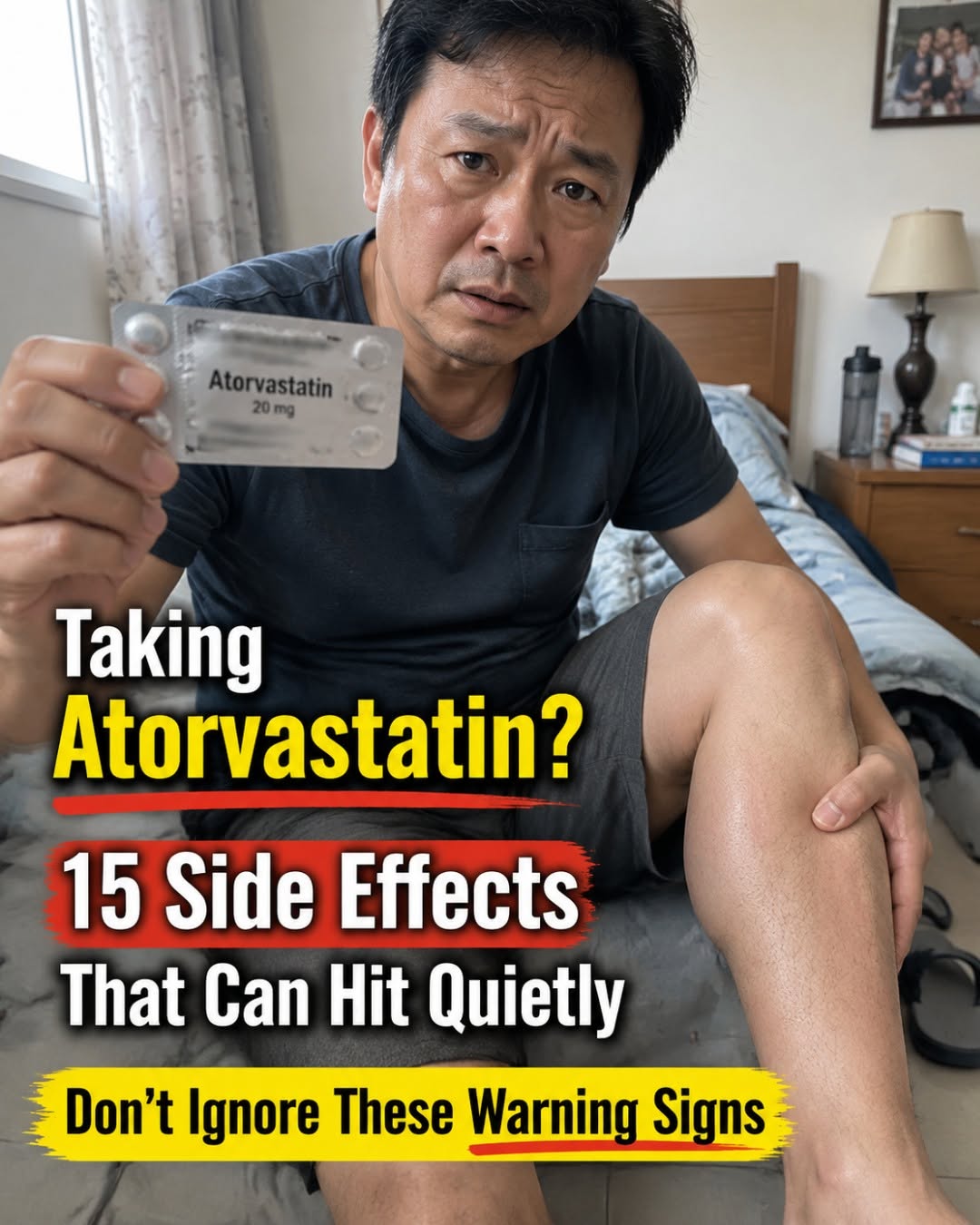
You settle into your favorite chair after a simple walk or time in the garden only to feel a persistent ache in your legs or shoulders that wasn’t there before. Later, your energy dips earlier than usual or a familiar name takes longer to recall during conversation with family, leaving you feeling a bit off balance or even embarrassed as you wonder what has quietly shifted. These gradual changes are easy to brush aside as just part of life’s natural flow, yet when you are taking atorvastatin to help manage cholesterol, paying attention matters because what starts small can begin to touch the activities and connections you value most. The encouraging part is that awareness often leads to clearer conversations with your healthcare provider and practical steps worth exploring.

Why Some Effects Develop Gradually and Stay Under the Radar
Medications work differently for each person. Factors like other prescriptions, daily habits, overall health, and even expectations can influence what someone notices. Clinical information shows that while many people take atorvastatin without noticeable problems, others report effects that build slowly over weeks or months. Because these changes often overlap with everyday experiences, they can be easy to miss or attribute to something else entirely.

The key is not to self-diagnose or stop any prescribed medication on your own. Instead, understanding common patterns helps you bring specific observations to your care team. They can review timing, run appropriate checks if needed, and decide together what adjustments, if any, make sense for your situation.

But that is not the whole story. Some effects stay mild for a long time, while others become more noticeable only after they have already started interfering with routine tasks. Knowing what to watch for gives you a stronger position in those conversations.

15 Subtle Side Effects Some People Report With Atorvastatin
Here are patterns drawn from clinical observations, patient reports, and medication labeling. Everyone is different, and many people experience none of these. Still, recognizing them early can make a real difference in how supported you feel.

1. Muscle pain, tenderness, or cramps
You might notice a dull ache in your calves, thighs, or shoulders after activities that used to feel effortless, such as carrying light groceries or walking to the mailbox. The discomfort can linger longer than expected or feel worse with pressure. Health resources note muscle-related complaints as one of the more commonly discussed experiences with this type of medication, though severity ranges widely and other factors often contribute.

2. Joint stiffness or discomfort

Tips to Reduce Joint Pain and Stiffness — Triumph Physio & Wellness

Simple movements like rising from a chair or reaching overhead may bring a new stiffness or ache in the knees, hips, or hands. It can feel like the joints need more time to warm up in the morning. Reports list joint pain among the effects some people connect with their medication routine.

3. Unusual fatigue or reduced stamina
You finish normal daily tasks yet feel drained earlier in the day, or recovery after light activity takes longer than it once did. This lack of strength can make previously enjoyable outings feel more tiring without an obvious reason. Clinical listings include unusual tiredness as something worth noting when it appears alongside other changes.

4. Trouble sleeping or restless nights

Leave a Reply

Your email address will not be published. Required fields are marked *