
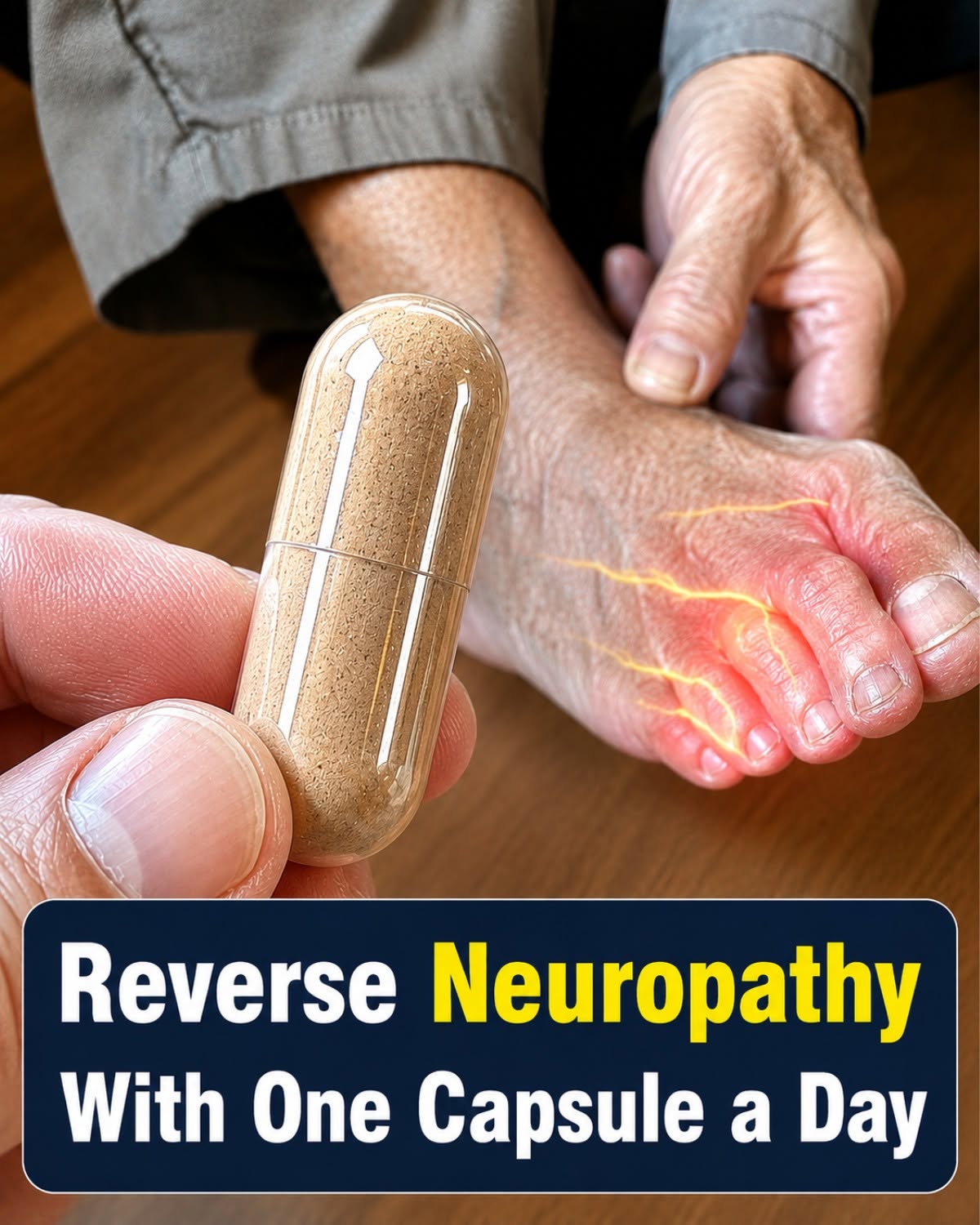
The first thing people notice is the weird stuff they can’t explain. A foot that feels hot when the skin is cool. A hand that stings when nothing touched it. A sock seam that suddenly feels like sandpaper.
Then comes the ugly contrast. Mornings turn into a test of whether your feet will cooperate, evenings become a shuffle across the floor, and every staircase starts to feel like a dare.
What gets ignored is the fuel shortage underneath it all. B12 drives the chemistry that helps rebuild myelin and keeps toxic byproducts from piling up like sludge in a drainpipe. When that process stalls, the nerves don’t just complain — they start failing from the inside out.
Why the burning feels so personal
Burning neuropathy is not “discomfort.” It’s a live electrical storm trapped under the skin.
Picture a house with bad wiring and a breaker box full of corrosion. The lights flicker, the outlets spit, and the whole place feels dangerous even when nothing is visibly on fire. That’s what B12 deficiency does to nerve tissue: it turns steady signaling into chaos.
And nobody told you because the cheapest fix gets the least airtime. Wall Street doesn’t build empires around a vitamin that protects the nervous system, especially when the answer starts with a blood test and a smarter form of B12.
That’s why the symptoms often get brushed aside until they’re impossible to ignore. Tingling becomes numbness. Numbness becomes clumsy steps. Clumsy steps become the fear of falling in your own kitchen.
The body doesn’t wait politely when the wiring is failing. It sends pain, heat, and buzzing first — then it starts taking function away.
Why some people feel it in their hands, and others in their feet
