
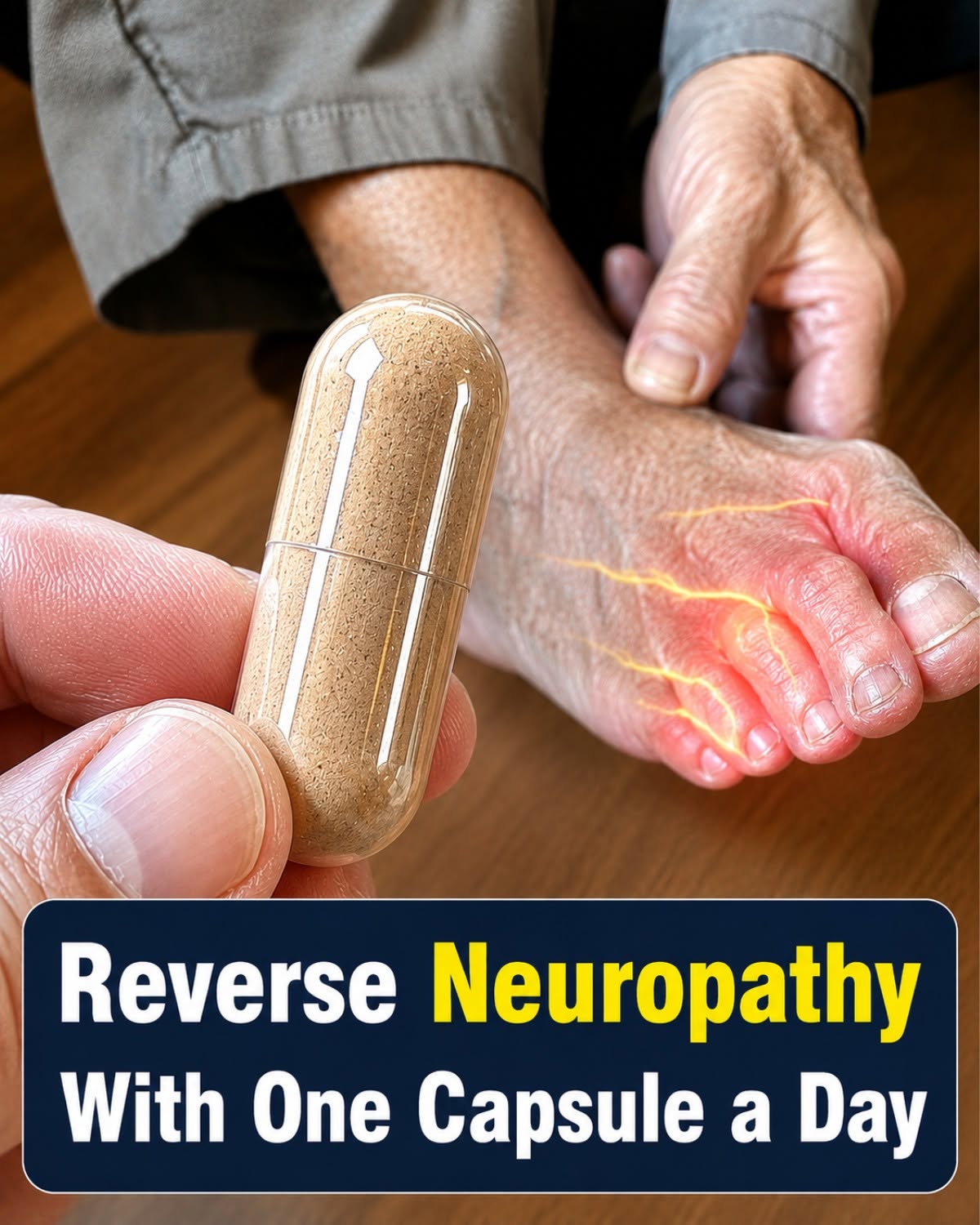
For many people, the feet go first because they’re the farthest end of the line. Long supply routes fail before the short ones do, the same way a garden hose loses pressure at the nozzle when the faucet is barely open.
Hands tell the story differently. Buttons get fumbled, jars feel slick, and typing starts to feel like your fingers belong to someone else. That’s not clumsiness. That’s a nervous system running on empty.
B12 helps keep the body’s repair crew on the job. It supports the chemistry that turns homocysteine into useful material instead of letting it accumulate like toxic trash in the bloodstream, and it helps nerve cells keep producing energy instead of sputtering out.
Language Resources
When that energy drops, the pain gets louder. When the repair stalls, the numb patches spread. When both happen together, the body feels like it’s losing its signal from two directions at once.
Over time, the pattern gets clearer: the less B12 available, the more the nerves behave like frayed extension cords dragged through water.
Why the modern world makes this worse
Metformin, acid blockers, plant-heavy diets, and aging all push in the same ugly direction. They strip away the raw biological fuel your nervous system depends on, then act surprised when the engine starts knocking.
That’s the trap. Your doctor treats one problem, your heartburn gets another pill, your diet removes the main natural source of B12, and the body is left trying to repair nerve tissue with the pantry nearly empty.
By the time the signs are obvious, the damage can feel like a house fire that started behind the walls. You don’t see the flame at first. You smell the smoke, then the paint bubbles, then the damage hits your feet, your balance, your sleep, your independence.
And that is exactly why the right form matters. Methylcobalamin, adenosylcobalamin, and hydroxycobalamin are not just fancy labels — they are the forms the body can actually use to feed nerve repair and cellular energy production without forcing the system to do backflips first.
Sublingual drops or tablets can help bypass a sluggish digestive tract, and injections hit harder when absorption is badly compromised. The point is simple: if the body can’t pull B12 out of food efficiently, swallowing more of the wrong form is like pouring water into a cracked bucket.
Once the nervous system stops starving, people often notice the first shift in the quiet moments — less burning at night, less buzzing in the toes, less dread before getting out of bed.
Why food still matters after the fix starts
Supplements patch the hole. Food helps keep the roof from collapsing again.
Liver, shellfish, sardines, salmon, beef, eggs, and dairy are the heavy hitters here. They’re not trendy, but they are loaded with the raw biological fuel your nerves were built to use.
Think of it like restoring a workshop after a power surge. You can replace the blown fuse, but if you keep running the place on cheap extension cords and half-dead batteries, the lights will start flickering again.
That is why the after-picture matters. The morning walk to the bathroom feels less like stepping onto hot coals. The hands stop tingling long enough to hold a coffee mug without thinking about it. The floor stops feeling like it’s tilting under you.
And when the nerves are no longer under siege, the body stops sounding the alarm every hour of the day.
P.S.
One common habit wrecks the whole process before it even starts: taking B12 in a form your body can’t readily use, then assuming “more” will solve it. That is how people waste months while the nerves keep fraying in the background.
The real shift comes when the right form, the right delivery, and the right support team are working together — and the next piece of that puzzle is a mineral most people overlook until the nerves start screaming for it.
This article is for informational purposes only and does not replace professional medical advice. Please consult your healthcare provider for personalized guidance.

