
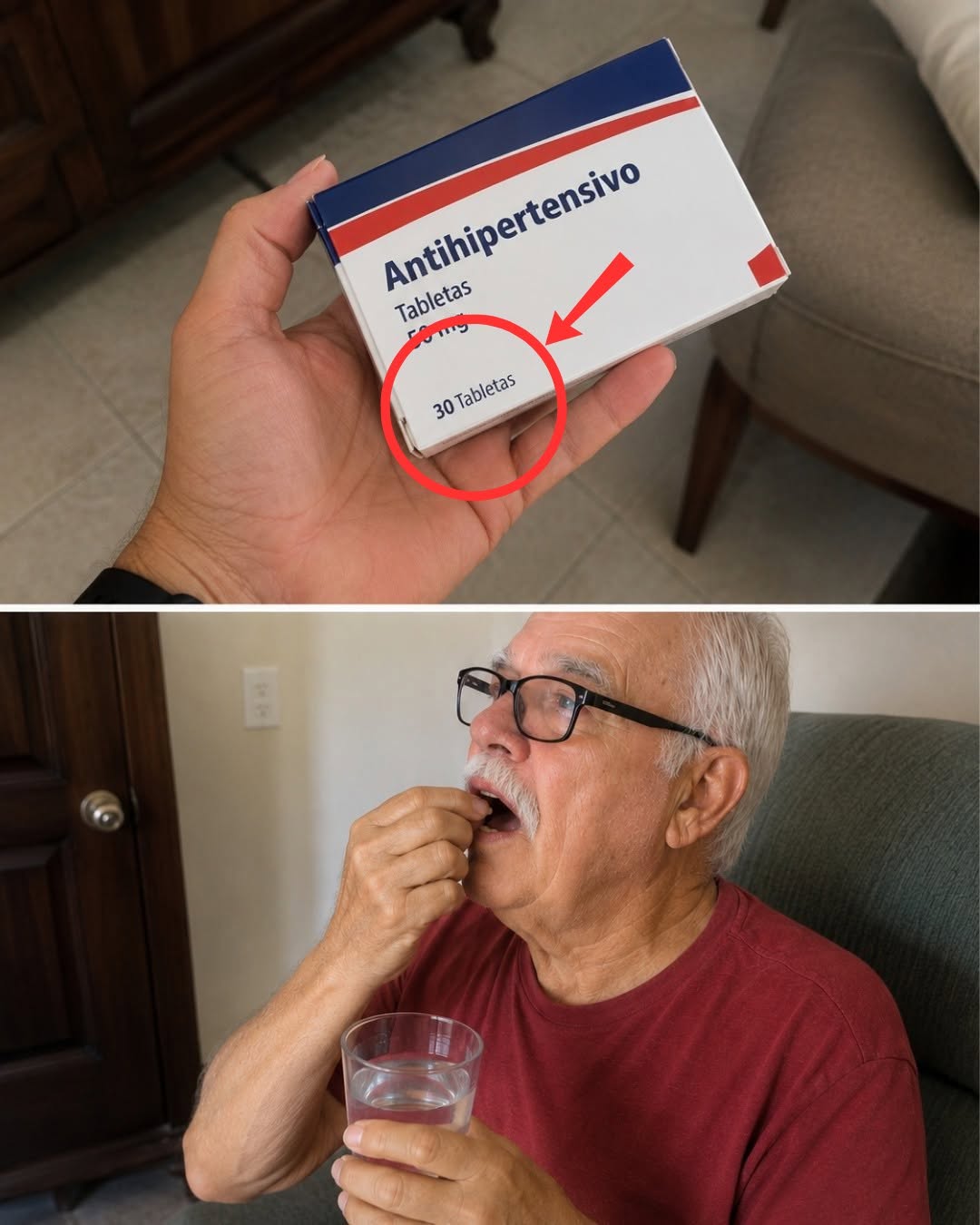
That little antihypertensive tablet can look obedient on the outside and still leave your body exposed at the exact wrong moment. Blood pressure medication, morning surge, bedtime dosing, dizziness on standing, and hidden nighttime spikes are the real story here — not just “take it every day and move on.”
The pill can be doing its job at 10 a.m. while your arteries are getting slammed at 6:30 a.m. That gap is where people get blindsided: the heart is waking up, stress hormones are flooding in, blood thickens, and the pressure inside the system jumps like a hose suddenly turned full blast.
So the question is not only what you take. It is when that drug is actually strongest inside your bloodstream.
And that is where the whole conversation gets sharper, because the body does not run on a flat line. It runs on rhythms, surges, dips, and pressure waves that rise and fall like traffic on a highway before sunrise.
The Morning Surge That Hits Hardest
For many people with hypertension, the danger zone opens before breakfast. Blood pressure naturally climbs as the body shifts out of sleep, and for some older adults that rise is brutal enough to strain the heart, bruise delicate vessels, and set the stage for a stroke or cardiac event.
Think of your circulation like a city water main. Overnight, the pressure should ease so the pipes can rest; then morning comes and the valves crack open all at once. If your medication is still ramping up while that surge is already roaring, protection arrives late.
The ugliest part is that a normal office reading can hide all of this. You sit in a chair, calm, rested, and measured at the exact moment your medication is doing its best work — then everyone assumes the story is solved.
But the body does not live inside the clinic. It lives in the dark hallway at 3 a.m., on the edge of the bed at sunrise, and in the first shaky minutes after standing up.
Why Some People Wake Up Already Behind
That is where the “non-dipper” pattern turns dangerous. Instead of blood pressure falling during sleep, it stays stubbornly high or even climbs, which means the cardiovascular system never gets the nightly repair window it desperately needs.
Picture a factory machine that is supposed to power down for maintenance but keeps grinding all night. By morning, the gears are hot, the parts are worn, and the first restart comes with a jolt. That is what uncontrolled nighttime pressure does to the body.
The first thing people notice is not always a dramatic symptom. It is the dull, annoying stuff: waking groggy, feeling unsteady, needing to grab the wall, or wondering why the day starts with a head that feels packed with sand.
And that is exactly why timing matters so much. A medication schedule that looks perfect on paper can still leave a dangerous blind spot in the hours when the body is most vulnerable.
Why Women Notice It One Way and Men Another
