
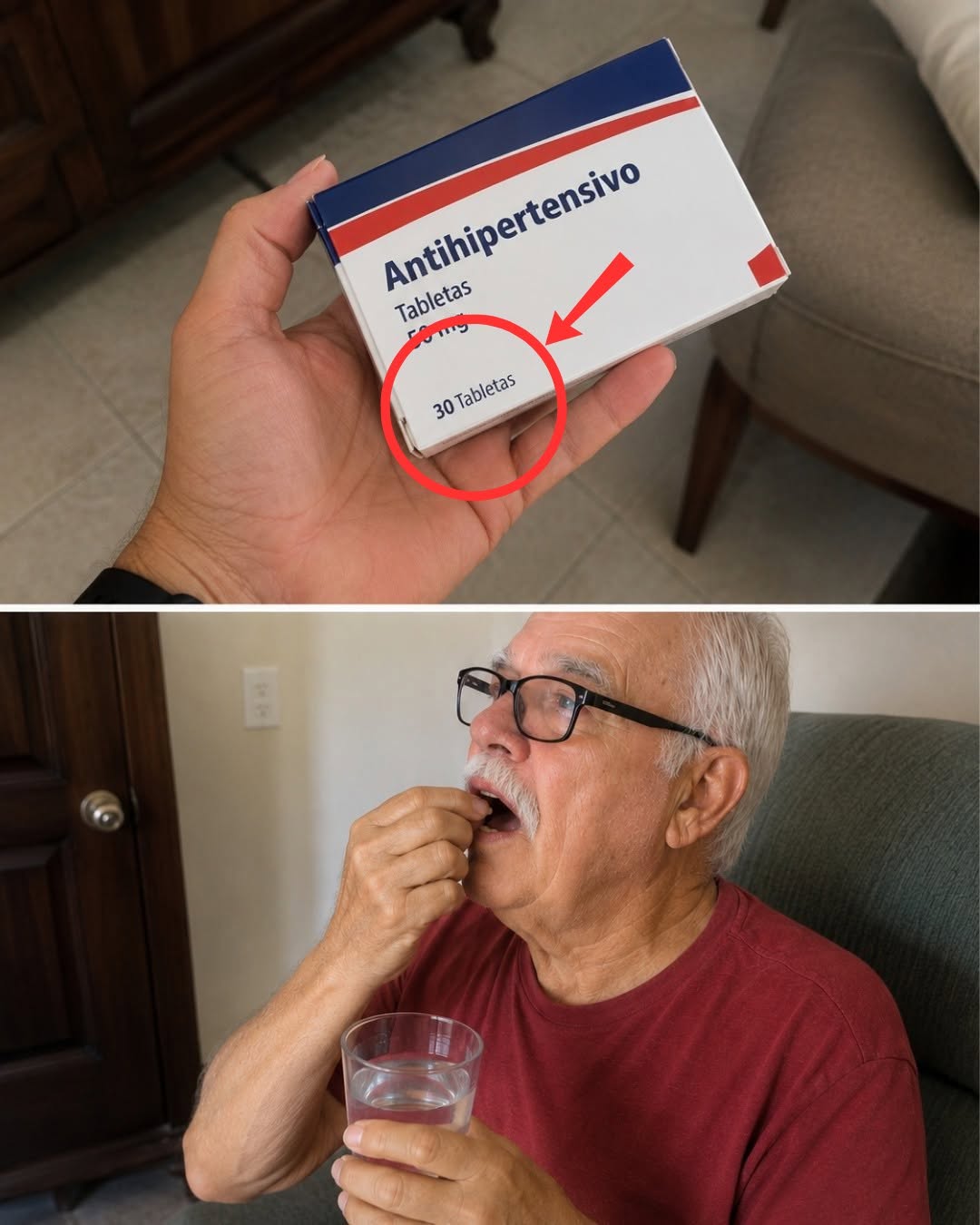
For some women, the clue shows up as morning dizziness, a foggy head, or a sudden sense that standing up feels like stepping off a moving train. That can happen when pressure drops too far overnight and then rebounds before the medication has fully locked in.
For many men, the warning is different: a pounding chest, a tight, overworked feeling in the body, and that heavy, wired sensation that shows up before the coffee even cools. Same system, different alarm bell.
Think of the bloodstream like a garden hose with a kink in it. One person gets a weak trickle and a wobble when they stand; another gets a violent pressure spike that slams the vessel walls. Both are signs that the timing of protection is off.
That is why one-size-fits-all dosing can be so misleading. The body is not asking for random medication; it is asking for coverage that meets the hour when the risk actually rises.
The Hidden Pattern Your Doctor Cannot See in One Reading
This is where 24-hour ambulatory blood pressure monitoring changes the game. It exposes the full day-night pattern instead of that polished little snapshot from a clinic visit.
Without it, a person can look “controlled” while still being unprotected. It is like checking a house’s security camera at noon and declaring the doors safe for the whole night.
One patient can sit in the office with decent numbers and still be getting hammered at dawn. Another can be fine while seated but drop too hard when standing, which sets up dizziness, falls, and that sickening moment when the room tilts.
The system loves a tidy reading; the body lives in messy reality.
That is why the smartest question is not just, “What is my blood pressure today?” It is, “What does it do before I get out of bed, after I stand, in the evening, and while I sleep?”
The Medication Timing Trap
Some blood pressure drugs line up better with bedtime because their strongest effect can meet the morning surge head-on. Others, especially diuretics, can turn the night into a bathroom marathon and wreck sleep while they work.
Think of it like placing a floodgate in the wrong part of a river. Too early, and the current still floods downstream; too late, and the damage is already done. The right timing is what turns a blunt pill into real protection.
That is also why people with kidney disease or multiple medications cannot play guessing games. Their system is already juggling too many moving parts, and one wrong shift can knock the whole balance sideways.
The payoff, when the timing is right, is not just a prettier number on a chart. It is waking up with less wobble, fewer near-falls, less chest strain, and a body that feels guarded instead of ambushed.
And that is the difference between blood pressure that is merely measured and blood pressure that is actually defended.
What to Ask Before You Change Anything
The strongest move is not to improvise at home. It is to ask whether your pattern has ever been checked across the full day, whether your early-morning readings are known, and whether bedtime dosing makes sense for the specific drug you take.
Because once you see the pattern, you stop treating hypertension like a single number and start treating it like a living rhythm. That shift alone can change everything.
Most people take the pill and trust the label. The sharper move is to ask whether the pill is active when your body is actually under attack.
One common habit can wreck the whole picture: checking only a calm daytime reading and calling it proof that the night was safe. It is not. The next layer is learning how to map the hours that matter most, especially the early-morning window that exposes the truth.
This article is for informational purposes only and does not replace professional medical advice. Please consult your healthcare provider for personalized guidance.
